
Energy & Sustainability Management For Commercial Real Estate & Hotels
An all-in-one software system that helps you simplify sustainability management, reduce costs and carbon emissions, and improve building performance.
Get started today with a Free Trial.
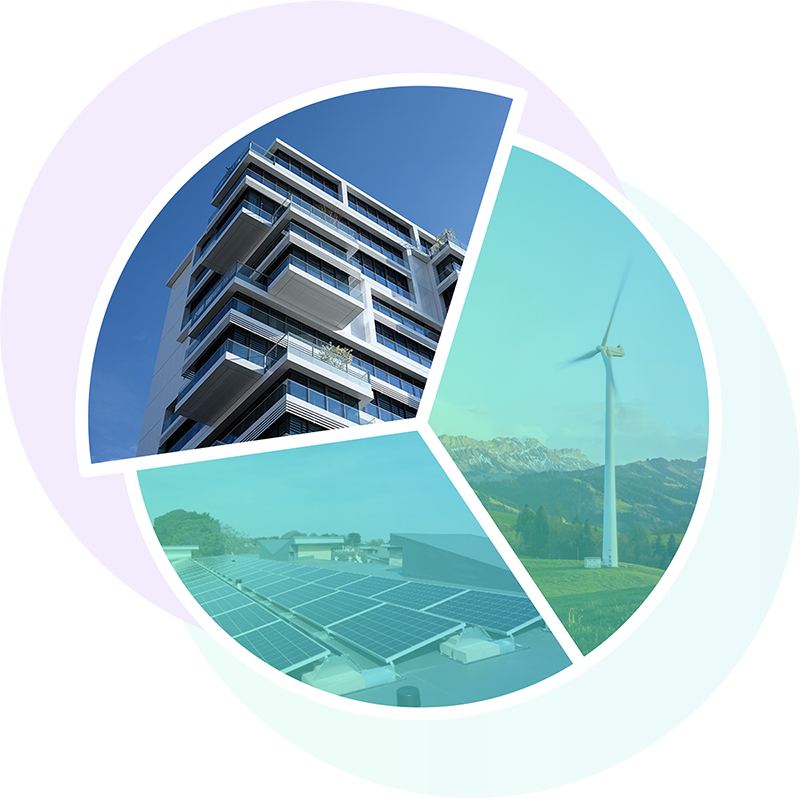
Trusted By Owners And Operators In Commercial Real Estate And Hospitality



How Is Energy Used In Commercial Real Estate & Hospitality?
Commercial real estate encompasses properties used primarily for business or income-generating purposes, including offices, retail properties, and industrial facilities, as well as multi-family residential assets.
Hotels and resorts form part of the commercial hospitality sector, ranging from full-service resorts and 5 star boutique hotels to hostels, apart-hotels, B&Bs and extended-stay properties.
The buildings and construction sector is responsible for a significant share of global emissions. According to UNEP, it accounted for 37% of global operational energy and process-related CO₂ emissions in 2022.

Across commercial real estate and hospitality, energy is also a significant operating cost, making improved energy performance both an environmental and a financial priority.
According to the U.S. Energy Information Administration’s (EIA) 2018 Commercial Buildings Energy Consumption Survey (CBECS), around 32% of energy consumed by U.S. commercial buildings in 2018 was used for space heating, followed by ventilation (11%), lighting (10%), and cooling (9%).
Electricity accounted for 60% of total commercial building energy use, while natural gas accounted for 34%. Climate and weather can significantly affect the relative shares of heating and cooling from year to year, and across different regions of the country.
Every commercial building has a different energy profile, shaped by factors such as building type, size, location, operating hours, occupancy, and the efficiency of its systems and equipment. Nevertheless, the 2018 CBECS provides a useful benchmark for understanding where energy is typically consumed and where opportunities for greater efficiency may exist.
Improving energy efficiency can reduce consumption and operating costs while supporting wider sustainability and decarbonization goals, as well as improving energy security/resilience. Better-performing heating, cooling, ventilation, lighting, and other building systems can also contribute to more comfortable and effectively managed indoor environments.
For owners and operators, understanding which systems and activities consume the most energy is an important first step in prioritizing efficiency measures.
Major fuels consumption by end use in U.S. commercial buildings, 2018
Space heating accounts for the largest share of energy use in U.S. commercial buildings, followed by other uses, vetilation, lighting and cooling.
Colour contrast assist:
Source: U.S. EIA, 2018 CBECS. Figures represent major fuels consumption by end use across U.S. commercial buildings. Individual properties and building types may have substantially different energy profiles.
How Does EnergyElephant Help Commercial Real Estate & Hospitality?
Lower operating costs and improved building performance can strengthen the long-term operational and financial performance of commercial properties, including their valuations, but owners and operators face a range of energy and sustainability management challenges.
For example, unlike many office buildings with relatively predictable operating hours, hotels usually operate 24/7, with fluctuating occupancy, laundry, and food-service demands, complex HVAC zones, leisure facilities, and changing event schedules with various one-off events.
EnergyElephant helps bridge these operational gaps by bringing fragmented energy/waste/water bills, smart-meter data, and IoT sensor data together in one place, giving owners and operators a clearer view of energy use across individual properties and entire portfolios.
By working closely with Energy and Sustainability teams in the commercial real estate and hospitality sectors, we have developed services adapted to the requirements of managing energy and sustainability for property portfolios at different scales.
Multi-Site Mapping & Portfolio Benchmarking
Real estate funds and hotel groups often manage portfolios spanning multiple locations, utility providers, and currencies.
EnergyElephant aggregates electricity, gas, solar, and other energy sources, as well as waste and water data into a single source of truth, allowing users to benchmark site performance side by side and identify assets that may be underperforming relative to their size.

Automated Bill Validation & Cost Management
For complex, energy-intensive facilities, utility costs can involve variable tariffs, peak-demand or capacity charges, and billing discrepancies arising from estimated readings.
EnergyElephant automates utility bill validation, extracting line-item metrics directly from supplier invoices. It actively flags penalty charges, cross-references usage against actual market rates, and helps identify tariff and capacity-related cost-saving opportunities.

Identifying 24/7 Energy Waste With Detailed Interval Data
For hotels, high baseload consumption from overnight lighting, HVAC, swimming pools/leisure facilities and refrigeration can be difficult to identify from monthly utility bills alone.
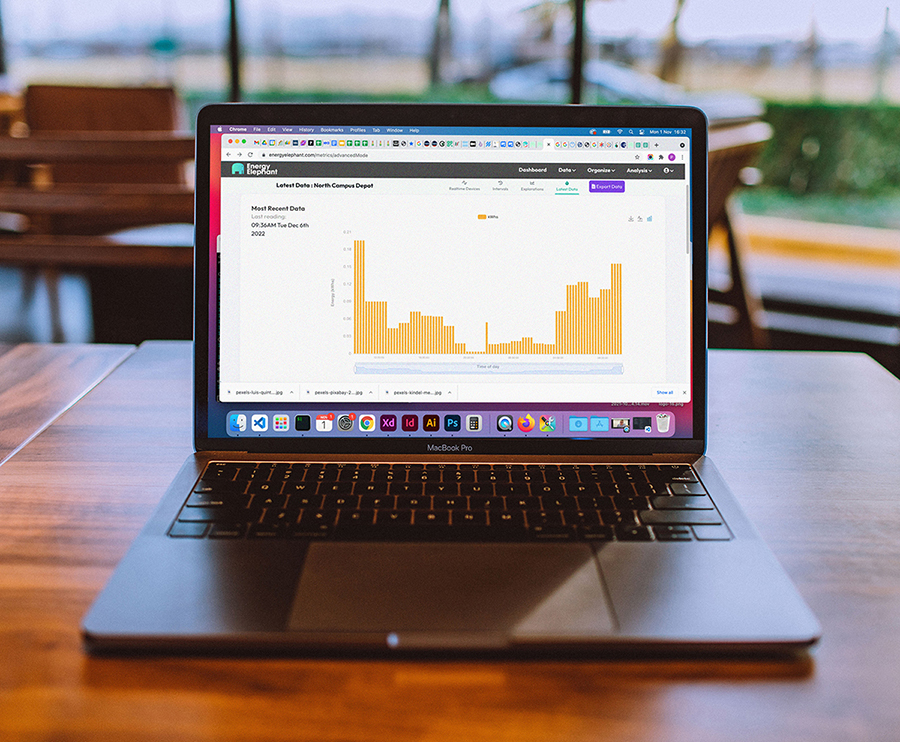
EnergyElephant integrates directly with smart meters and real-time IoT/BMS sensors to track detailed interval data. Asset managers can identify night-time waste, pinpoint periods of peak demand, and inform adjustments to building management systems (BMS) based on actual consumption patterns.
Streamlining GRESB & ESG Reporting
Commercial real estate owners face strict investor pressures to disclose transparent climate risks through frameworks like GRESB, or target certifications like ISO 50001. Collecting this data manually across hundreds of tenants takes weeks and invites human error.
EnergyElephant helps automate greenhouse gas (GHG) emissions calculations and provides data audit and export tools to support sustainability reporting and certification requirements, including GRESB, ISO 50001, CSRD, B Corp, and more.

Tracking The ROI Of Sustainability Projects
Investments in energy-efficiency measures – such as guestroom energy management systems or on-site solar – often require a clear business case before they can be scaled across a portfolio.
EnergyElephant provides an integrated decarbonization roadmap and tracking toolkit. By establishing a solid historical consumption baseline, it monitors post-implementation performance, accurately accounts for on-site renewable generation, and delivers ROI and payback analysis for decision-makers.

Manage energy data and sustainability data, all in one place
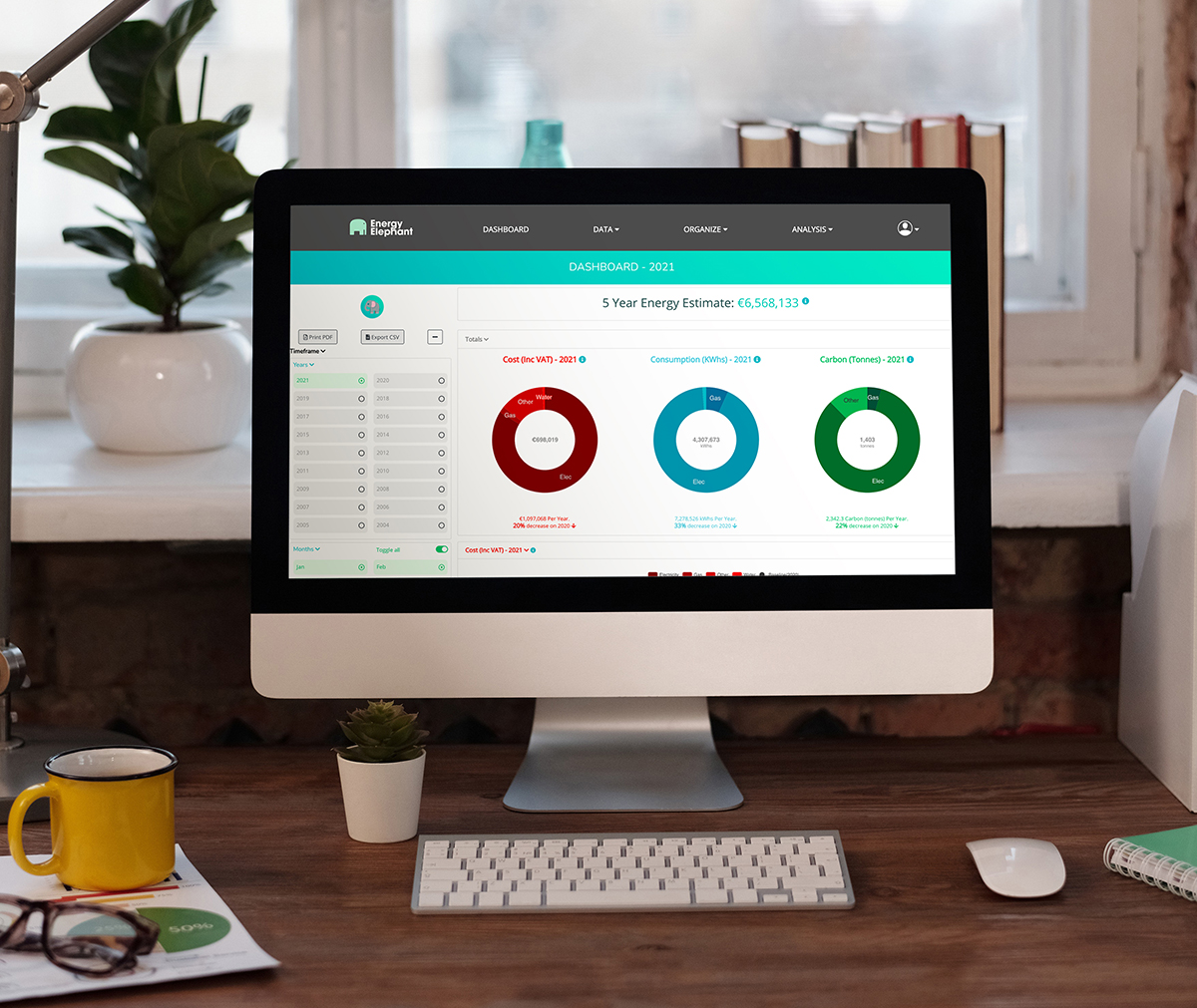
See all of your utility data for cost, usage and environmental impact in one place, with preconfigured dashboards and reports to simplify how you measure, plan, track and act.
EnergyElephant can quickly identify new efficiencies across your sites and save you time on planning projects and reporting results.
Utility bill validation and management
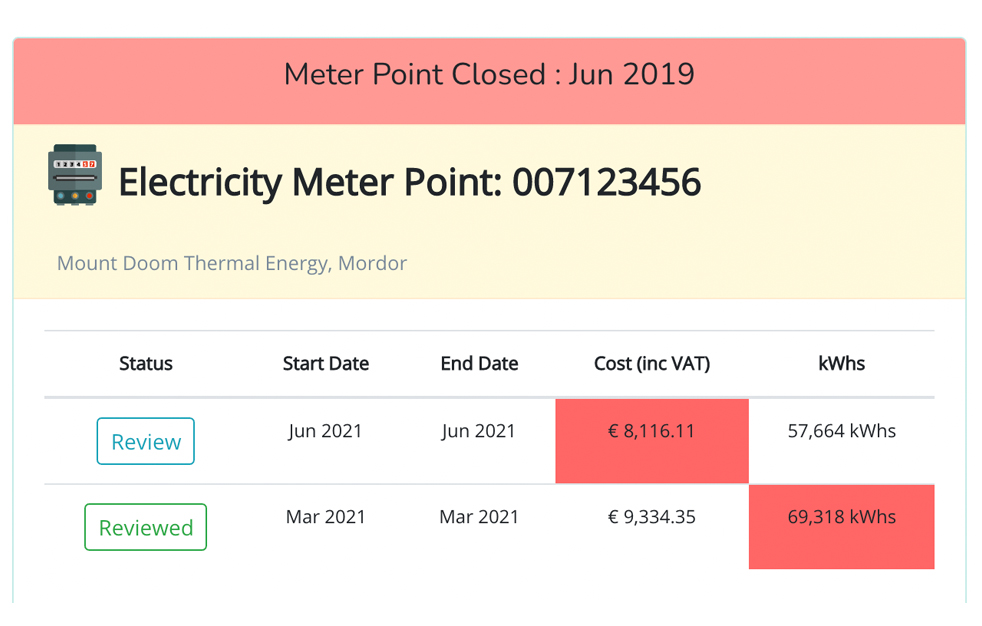
EnergyElephant can automatically retrieve bills from your supplier and store them, whilst extracting detailed data from each bill.
This simplifies bill checking and data capture so that you can focus on more important tasks and only review bills that are flagged as problematic.
You can also upload your original bills and data in bulk and they will be processed into the system in seconds.
Easy to understand and report
We know that sustainability reports need to be shared with people who are not experts in the area. For that reason we make sure everything in EnergyElephant is easy to understand and simple to use so that you can report and communicate effortlessly.
Share access to specific assets and views with your team or download charts and data for use in your own reports or for reporting frameworks such as Task Force for Climate Related Financial Disclosures (TCFD), Carbon Disclosure Project (CDP) and ISO 50001.
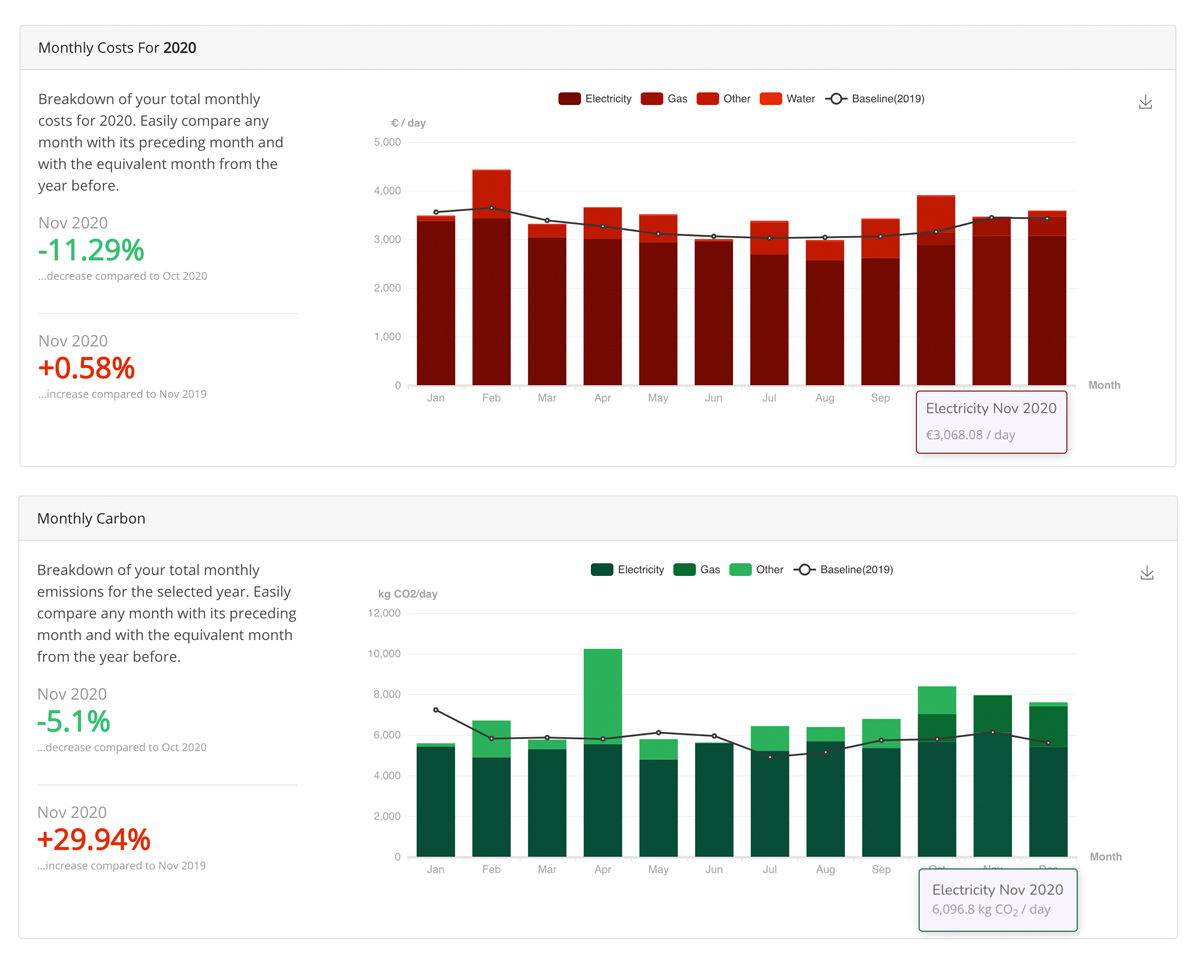
Accounting for energy from your on-site renewables
The ability of organizations to generate their own energy through solar, wind and other renewable sources is a key aspect of the net-zero transition.
EnergyElephant supports effective monitoring and accounting of energy exports via sub-metering.

Identify energy saving opportunities
EnergyElephant visualizes energy consumption to help you identify inefficiencies and respond to problematic trends.
Track energy usage out of hours, monitor start-up and shutdown times and quantify energy baseloads.
Assess performance of divisions and buildings against custom KPIs (such as production activity, staffing, floor area etc.) to clearly quantify efficiency across your organization.

Save money on energy and time for your team
EnergyElephant can keep your costs down by checking your unit rates against competitive rates in the market based on your actual usage.
Based on your consumption it can show you which energy sources are cheaper to use for your requirements.
EnergyElephant also monitors your contract discounts and highlights when its time to switch or renegotiate your contract.
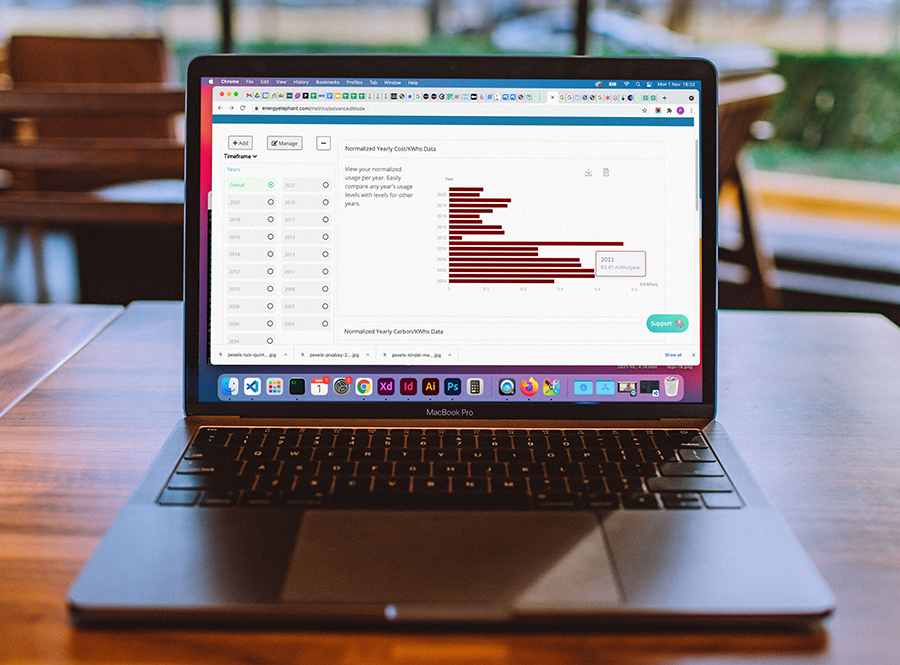
Secure and accessible data for your organization
EnergyElephant secures all of your data in custom designed cloud services, meaning you’ll always have access when you need it.
By centralising your utilities data with EnergyElephant, With EnergyElephant you can change your supplier whenever you want, safe in the knowledge your historic and future data will remain secure and accessible.

Engage Stakeholders & Sustain Momentum
Sustainability success depends on stakeholder engagement. EnergyElephant offers public-facing dashboards to educate staff and the wider public on sustainability goals, helping to foster a "Green Business" culture.
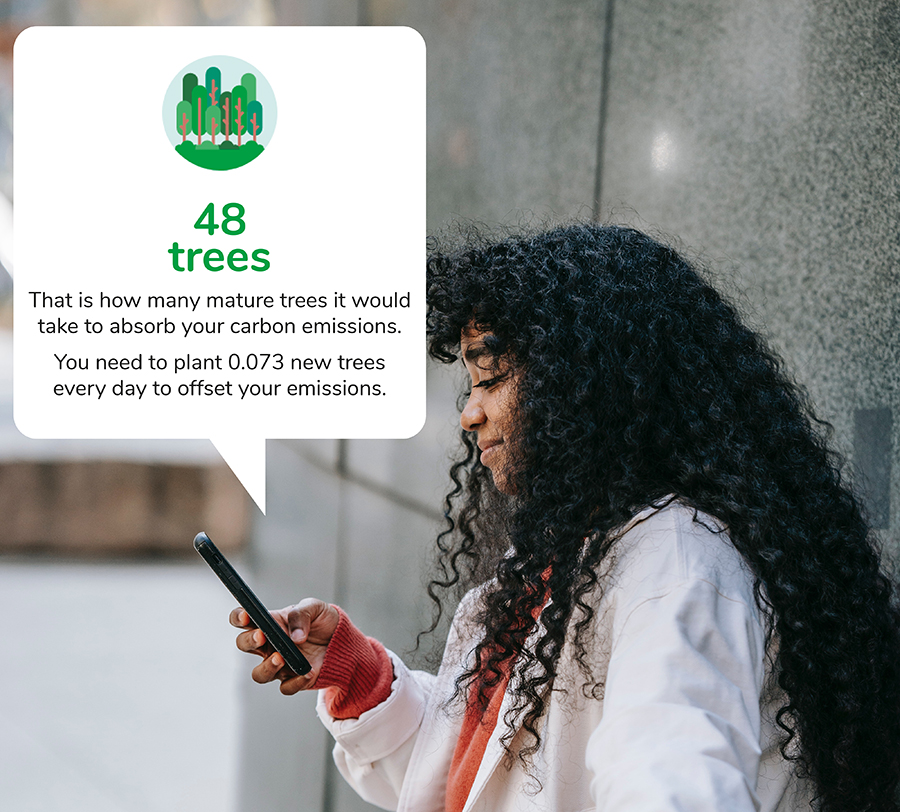
Be more sustainable
EnergyElephant visualizes your use of utilities to help you identify inefficiencies and respond to problematic trends.
Assess performance of divisions and buildings against custom KPIs (such as production activity, staffing, floor area etc.) to clearly quantify efficiency across your organization, in energy, water, waste and emissions.

Carbon price modelling
EnergyElephant enables organizations to set preferred carbon prices and see how their net-zero trajectory is affected.
This supports longer term planning for the financial costs and benefits of transitioning businesses into a cleaner, more sustainable future.

Contact us
We can help you reach your sustainability goals and achieve Net Zero. Let us know the challenges you are looking to solve and our team will be in touch.