
Technical Guides
Information resources from energy and sustainability experts.


Your Journey with EnergyElephant
What to expect when working with us, from identifying goals to celebrating results.
Guide
Energy Resilience for Finance & Operations Teams
A step-by-step guide to strengthening your energy budget, reducing business exposure, and making smarter investment decisions over time.
Playbook
CDP
The CDP, formerly known as the Carbon Disclosure Project, is a non-profit environmental disclosure organization. Find out more about its goals and reporting requirements.
Guide
Estates Returns Information Collection (ERIC)
Read about the Estates Return Information Collection (ERIC), a mandatory data collection operation for NHS trusts.
Guide
ENERGY STAR
ENERGY STAR is a US government program that measures the energy performance of domestic, commercial and public buildings and provides consumers with the information necessary to make informed, energy-conscious decisions about their purchases.
Guide
GHG Protocol
The GHG Protocol refers to standardized frameworks for the measurement and management of greenhouse gas emissions. It includes both the private and public sectors, and breaks down emissions into three scopes.
Guide
GRESB
GRESB was launched in 2009 to measure the integration of ESG into the real estate sector. GRESB Assessments align with the Paris Climate Accord, other reporting frameworks, and country-specific requirements.
Guide
ISO 50001
ISO 50001 is a global standard for energy management. Created by ISO, the International Organization for Standardization, it is applicable to all sectors and supports the development of an energy management system (EnMS).
Guide
SBTi
The Science-Based Targets Initiative (SBTi) uses climate science to articulate and promote the best practices in setting targets and in the reduction of greenhouse gas (GHG) emissions.
Guide
Scope 1 Emissions
Scope 1 emissions are direct greenhouse gas emissions that are controlled by a reporting organization. Understand this categorization and its implications for your sustainability compliance and reporting.
Guide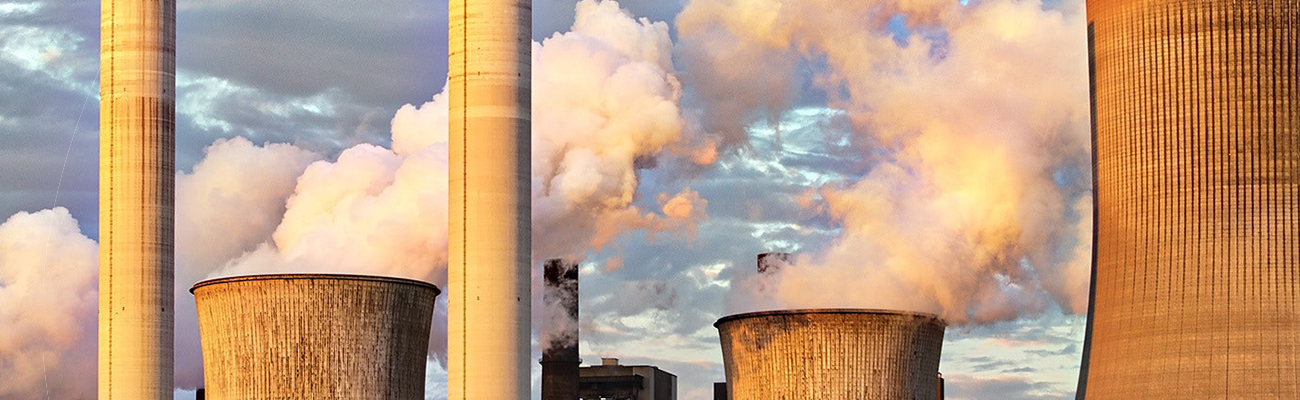
Scope 2 Emissions
Scope 2 covers indirect emissions resulting from an organization’s purchased energy, such as electricity, heat and steam. Understand this categorization and its implications for your sustainability compliance and reporting.
Guide
Scope 3 Emissions
Scope 3 describes emissions that an organization is indirectly responsible for along its value chain(s). Understand this categorization and its implications for your sustainability compliance and reporting.
Guide